PechaKucha Yerevan
PechaKucha Nights started in Tokyo in 2003 and are now held in over 1,400 cities around the world. PechaKucha literally means "chit-chat" in Japanese.
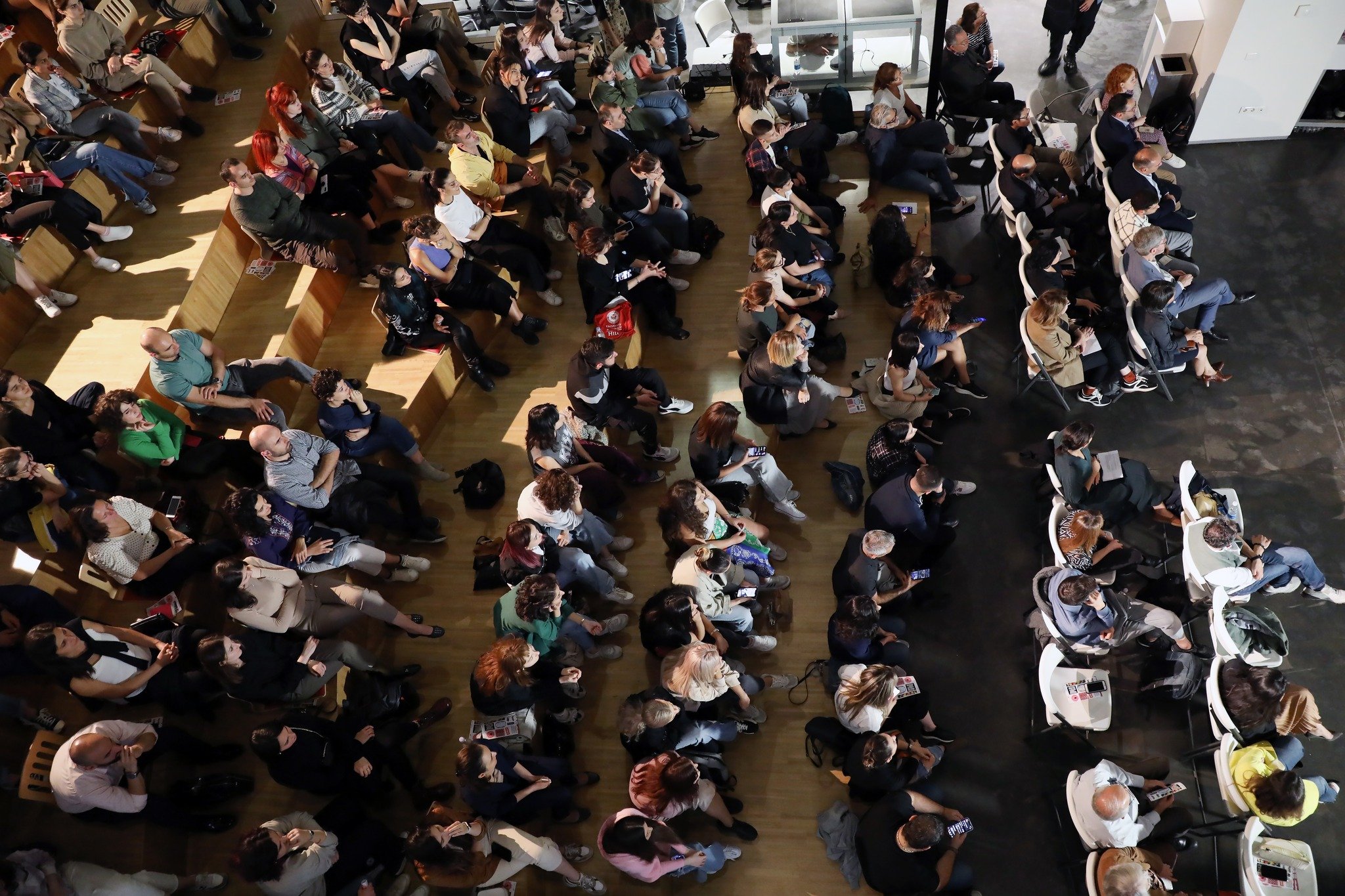
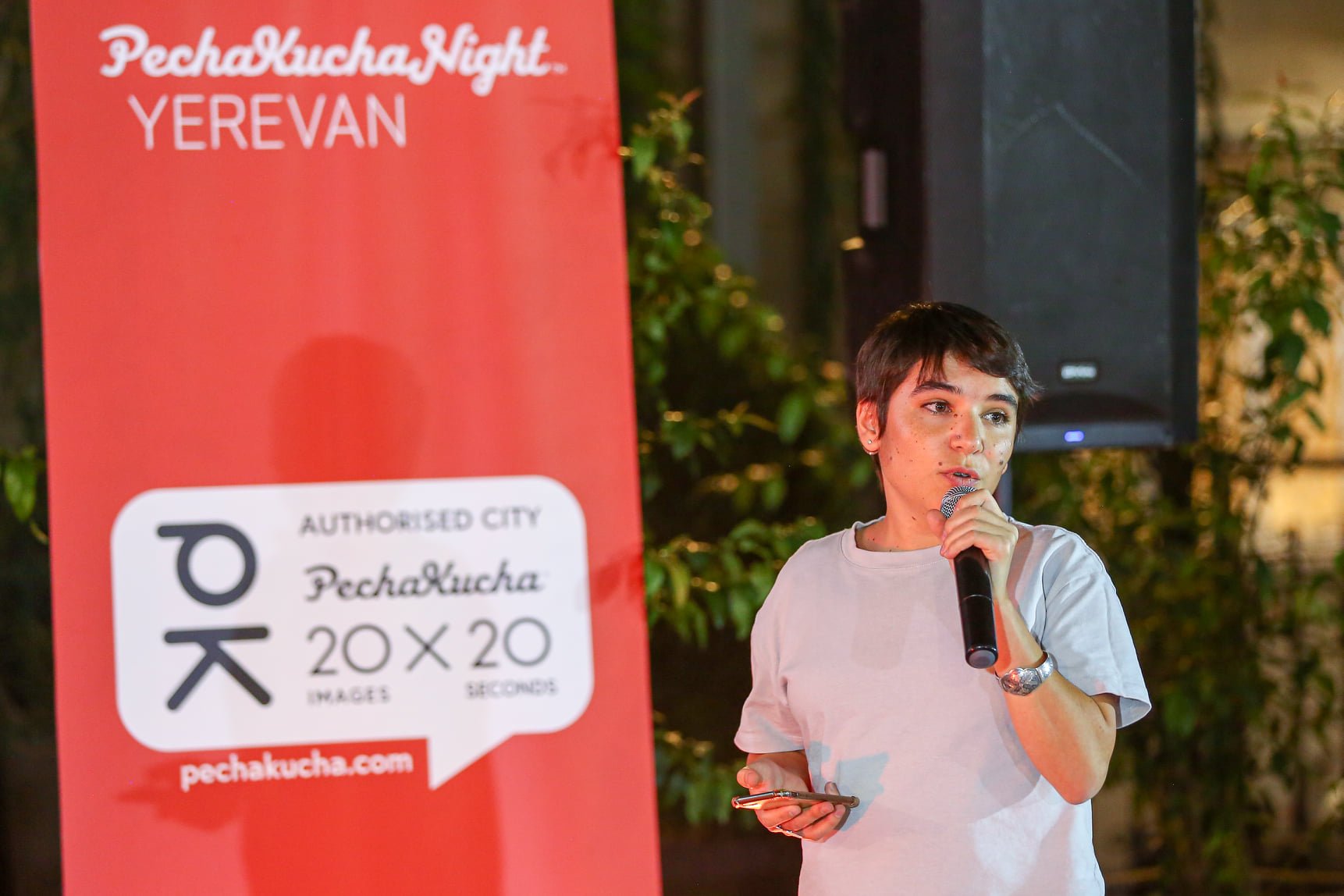
Our Yerevan chapter started in 2010. We bring creatives, entrepreneurs, and change-makers together to share their ideas, thoughts, and insights in a fun and informal environment in a special format – 20 slides for 20 seconds each.
Some of the topics we covered are social innovation, art in times of crisis, applying best practices from business and tech on public governance, designing more human-centered cities, improving the innovation ecosystem in Armenia, the future of modern parenting, and more. PechaKucha Nights are open to the public and everyone is welcome to attend our events.
Every PechaKucha presentation holds power.
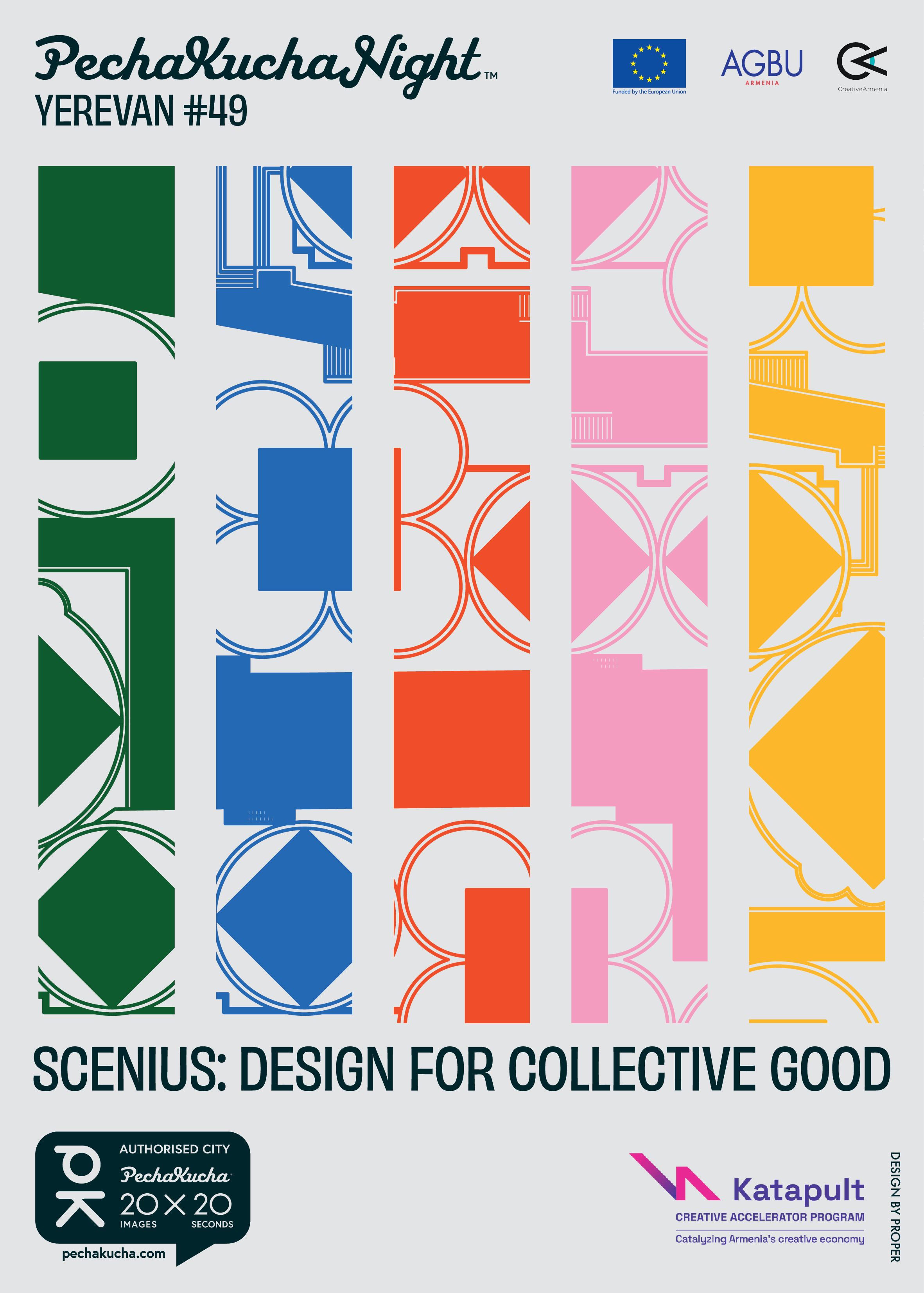
Design plays a crucial role in generating social impact, fostering a renewed sense of collective purpose, and seizing opportunities during times of crisis. These speakers share their experiences, challenges, and lessons learned while leading independent brands through turbulent times.

Armenia's cultural heritage presents a significant impact on the tourism industry and local economy, as well as increasing importance as a soft power tool in the international arena. However, improved heritage management practices are needed to ensure the sustainable safeguarding and dissemination.
Armenia has over 68,000 registered SMEs, which account for nearly 98% of all businesses in the country. However, their contribution to the economy is only 30%. Experts believe that one of the reasons for this mismatch is the lack of innovative technology in business models and operations.
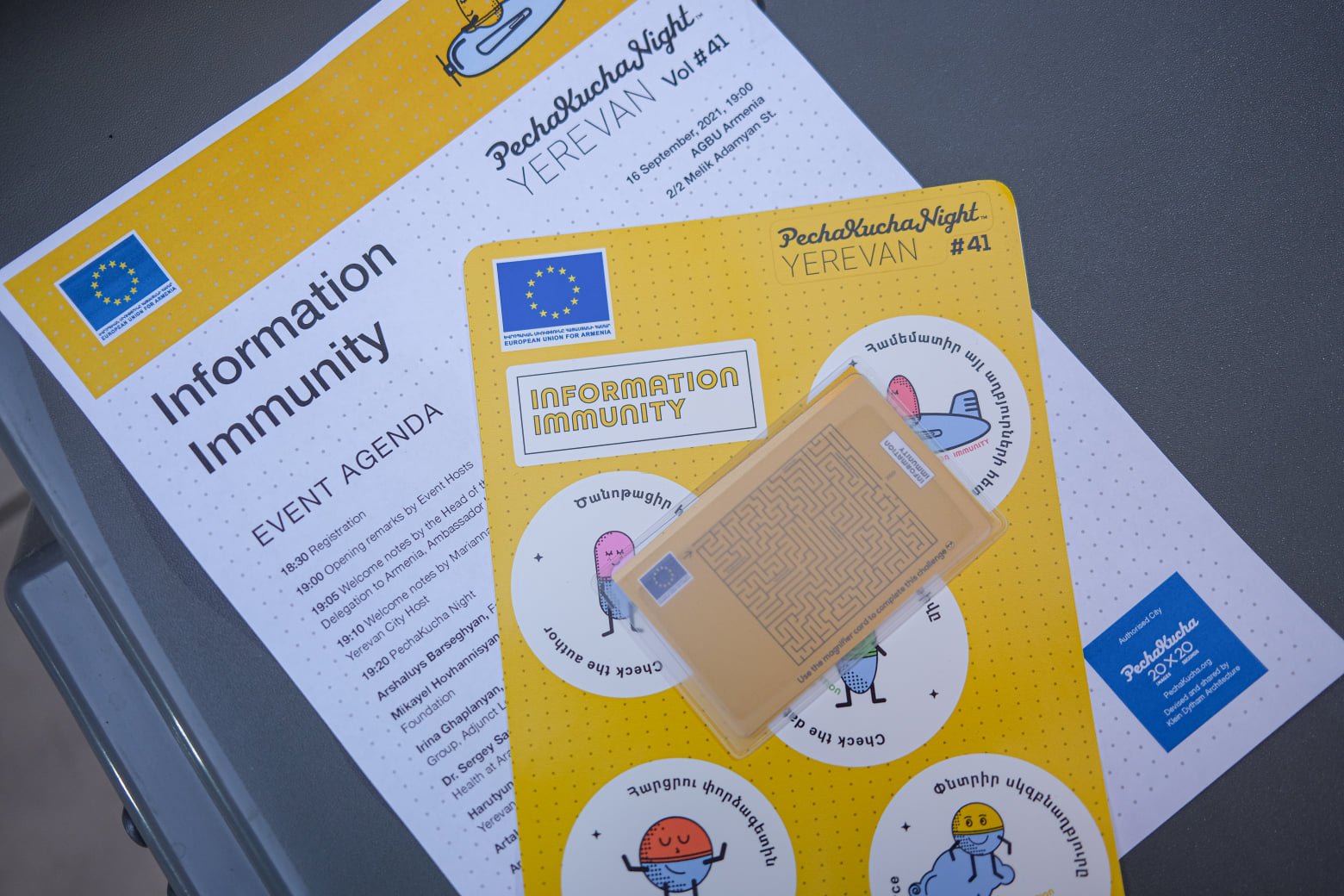
Today’s media landscape is more fragmented than ever. Between Telegram channels, social media platforms, podcasts, videos, and images, we can pick and choose what we see and read. It also means that we must be savvy when identifying real news from fake news or false stories, especially during crises and wars.
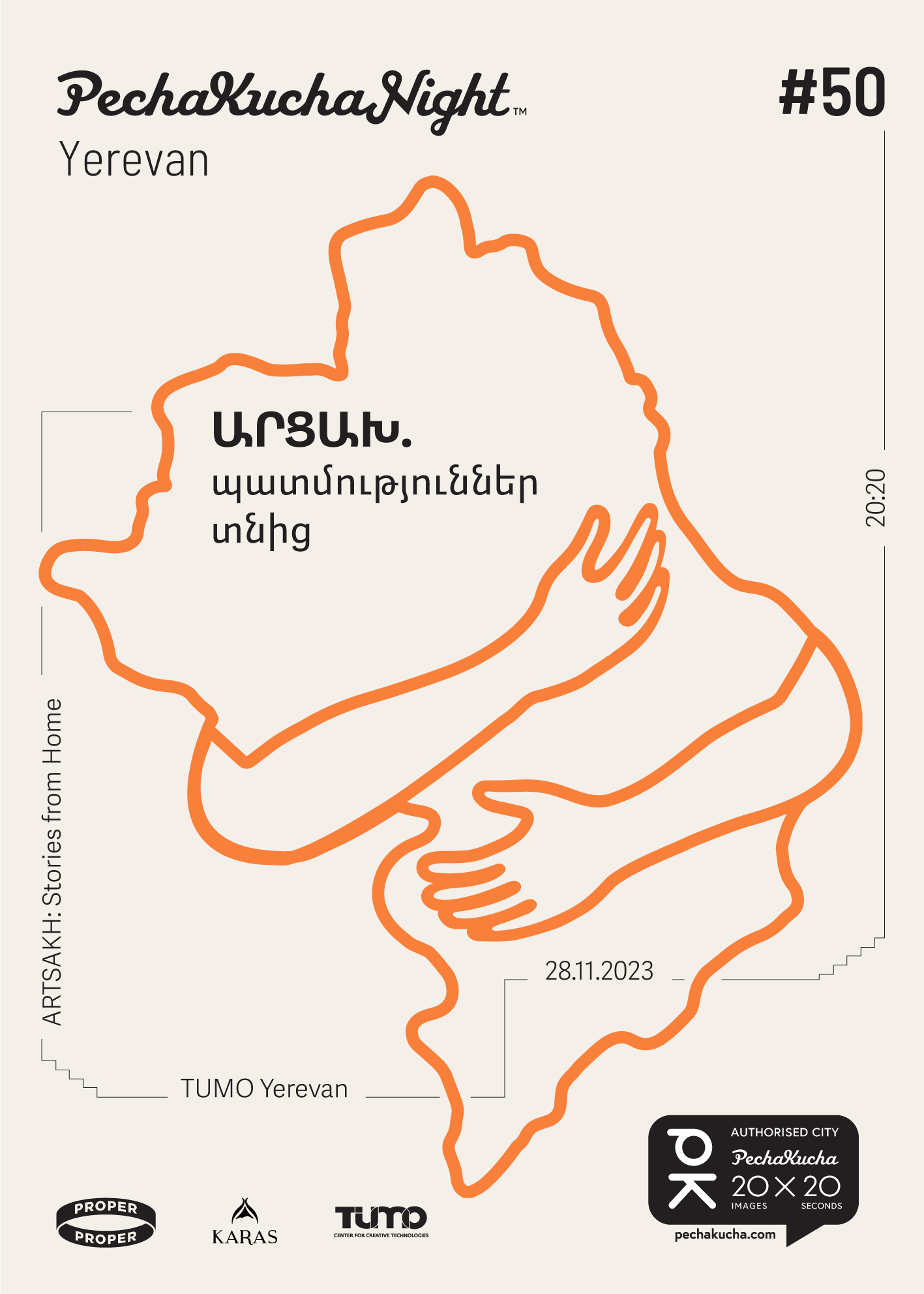
Ten artists and curators presented their responses to the devastating 2020 Artsakh war and pandemic, and their thoughts on the current social, cultural, and economic challenges in Armenia.
We have seen many faces of crisis - earthquakes, wars, pandemics, social trauma, and mass migration. Not a day goes by that is not marked by updates or news on an emerging crisis. But what does it take to live such a life? How far did we go in our resilience to the crisis?
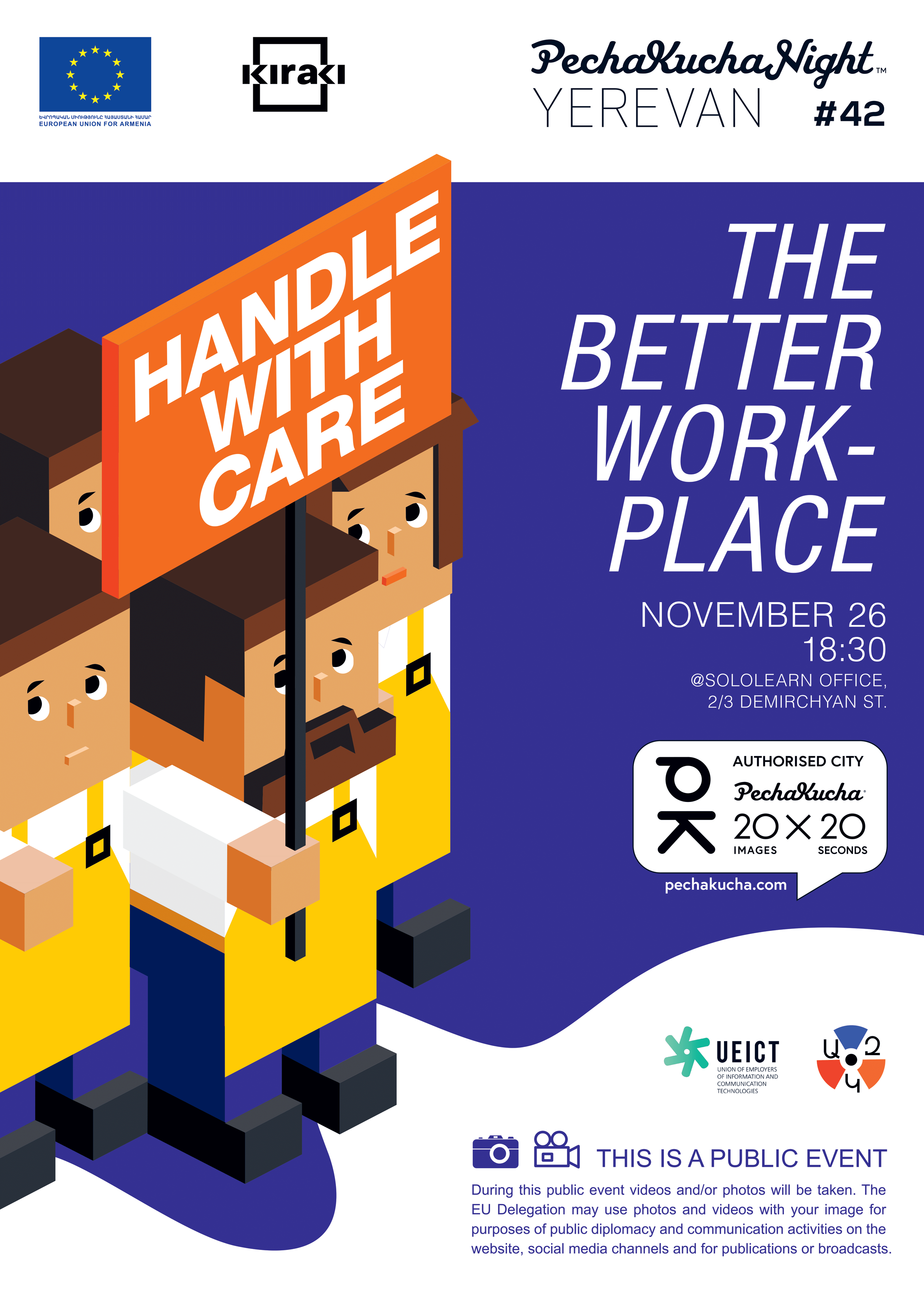
Crops or computers, hunting gear or mousepads, we want to be happy doing our jobs, to earn money and reputation, to grow personally and professionally. The pandemic has reminded us how vulnerable society and the economy are, making us rethink the fundamental principles of how, when, and where we work.
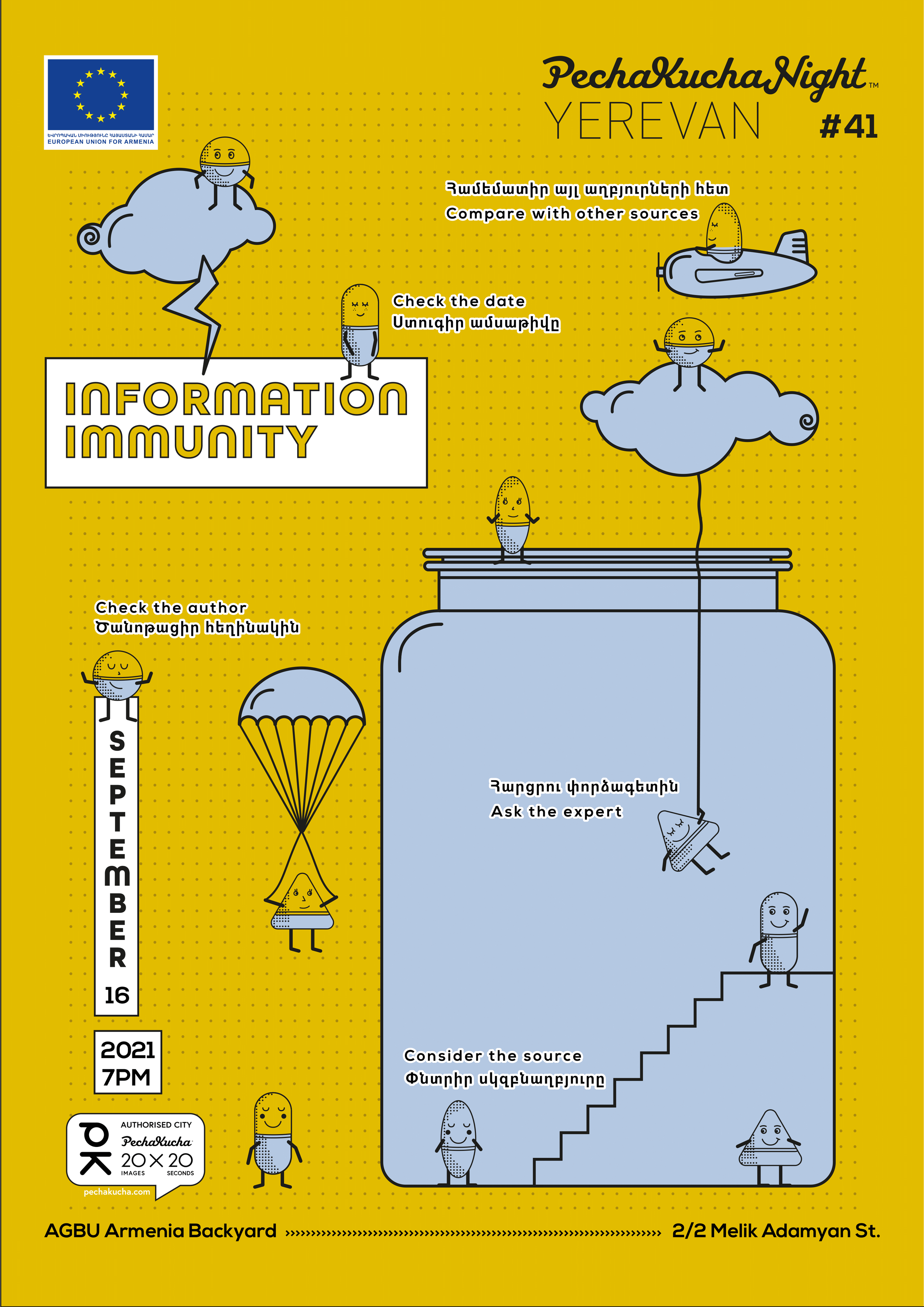
We will hear from eight journalists, media experts, and professionals of industries most vulnerable to online disinformation. Speakers will present stories and case studies and recommendations linked to: COVID-19 vaccination, Gender equality, Social and cultural issues, Climate change, Civil society, Social media & the spread of conspiracies.
We’re joining the global #OpenGovWeek discussion on balancing public health and data in the context of COVID-19. Eight exciting presenters will exchange ideas and projects on the new measures that governments and companies have introduced to contain and mitigate threats of the pandemic.
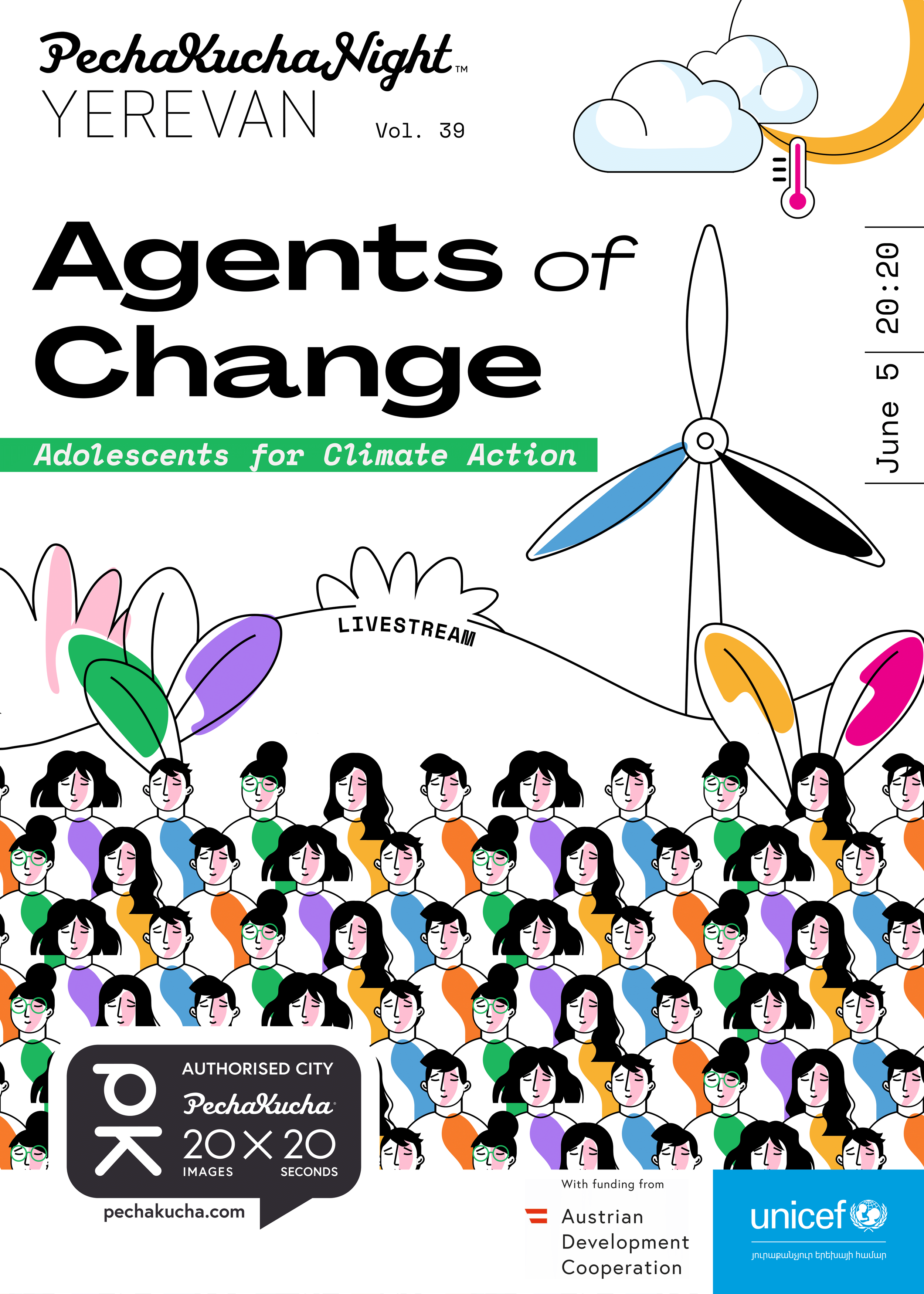
Seven speakers – adolescent girls and boys, experts and policymakers, discuss the impact of climate change on biodiversity and how we can collectively contribute to climate change mitigation and adaptation measures in order to build resilient communities. We will also explore the linkages between climate action and COVID-19 aftermath.
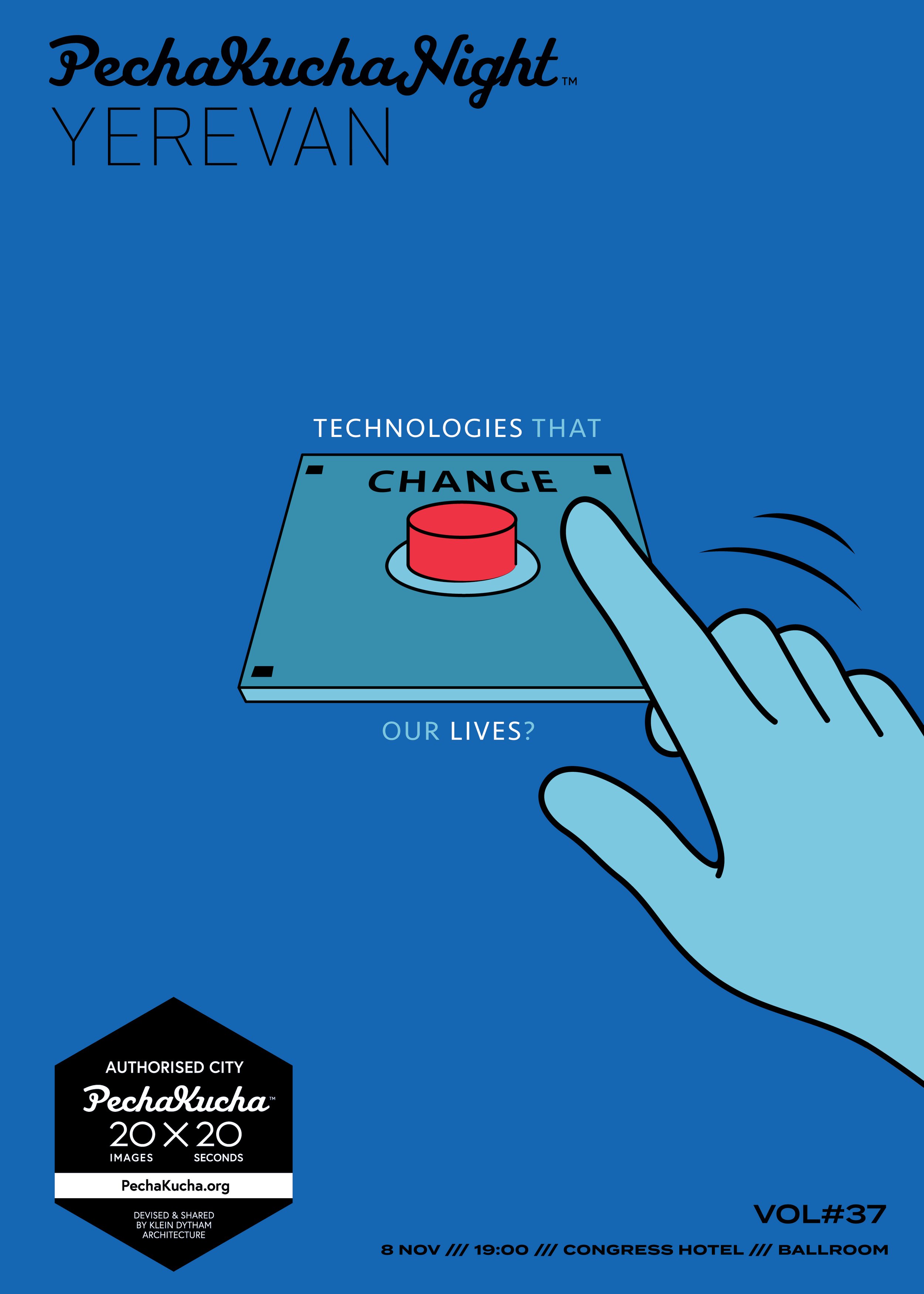
The new technologies and inventions are the result of our curiosity, creativity, and problem-solving techniques. Are you inspired or terrified when you hear about artificial Intelligence, cloud computing, machine learning, algorithms, or predictive analytics?
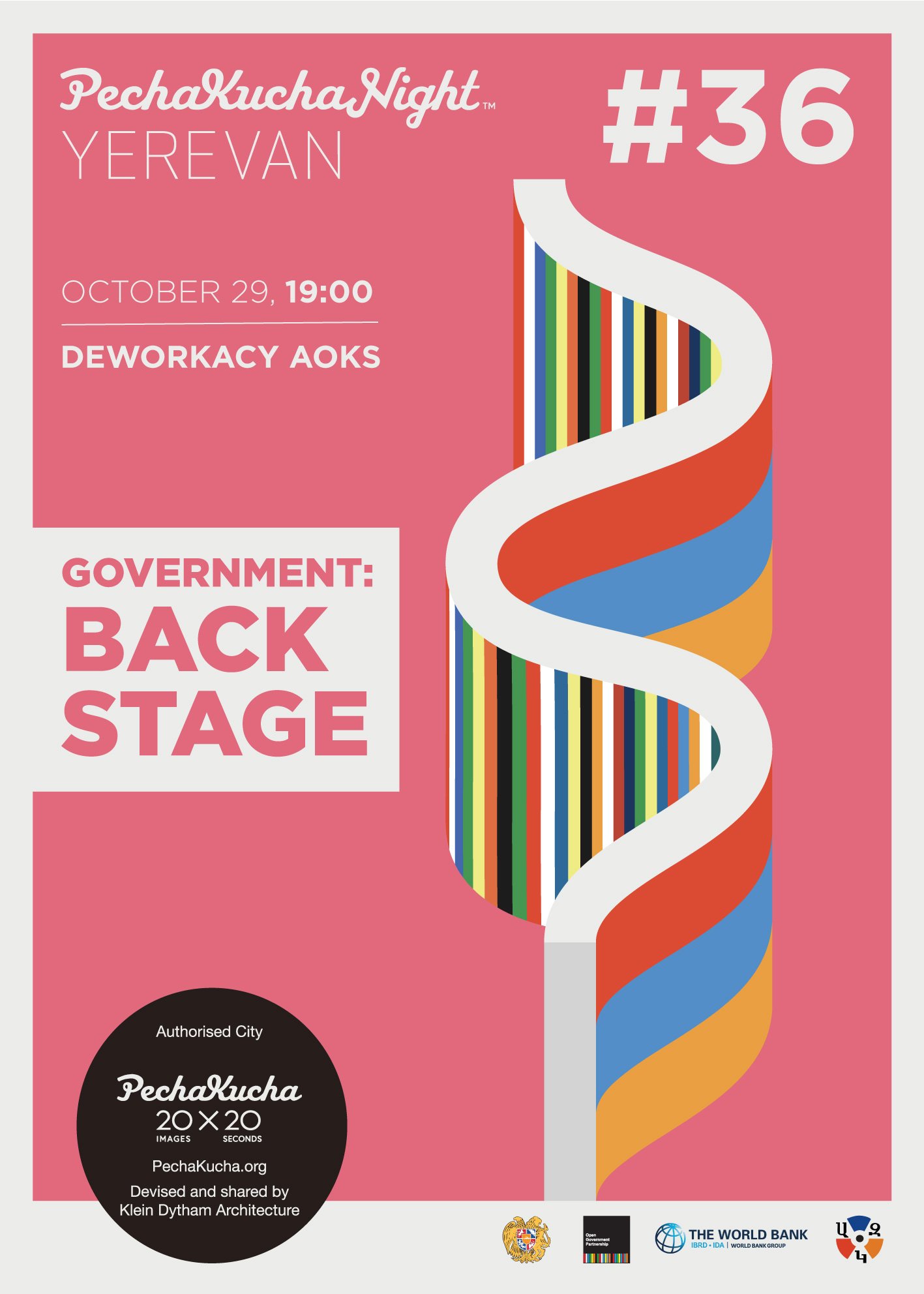
Have you ever wondered what’s happening behind the closed curtains of the government? What is the chemistry behind policies, laws, political battles, institutions, and politicians? How does tech impact the way interact with officials?
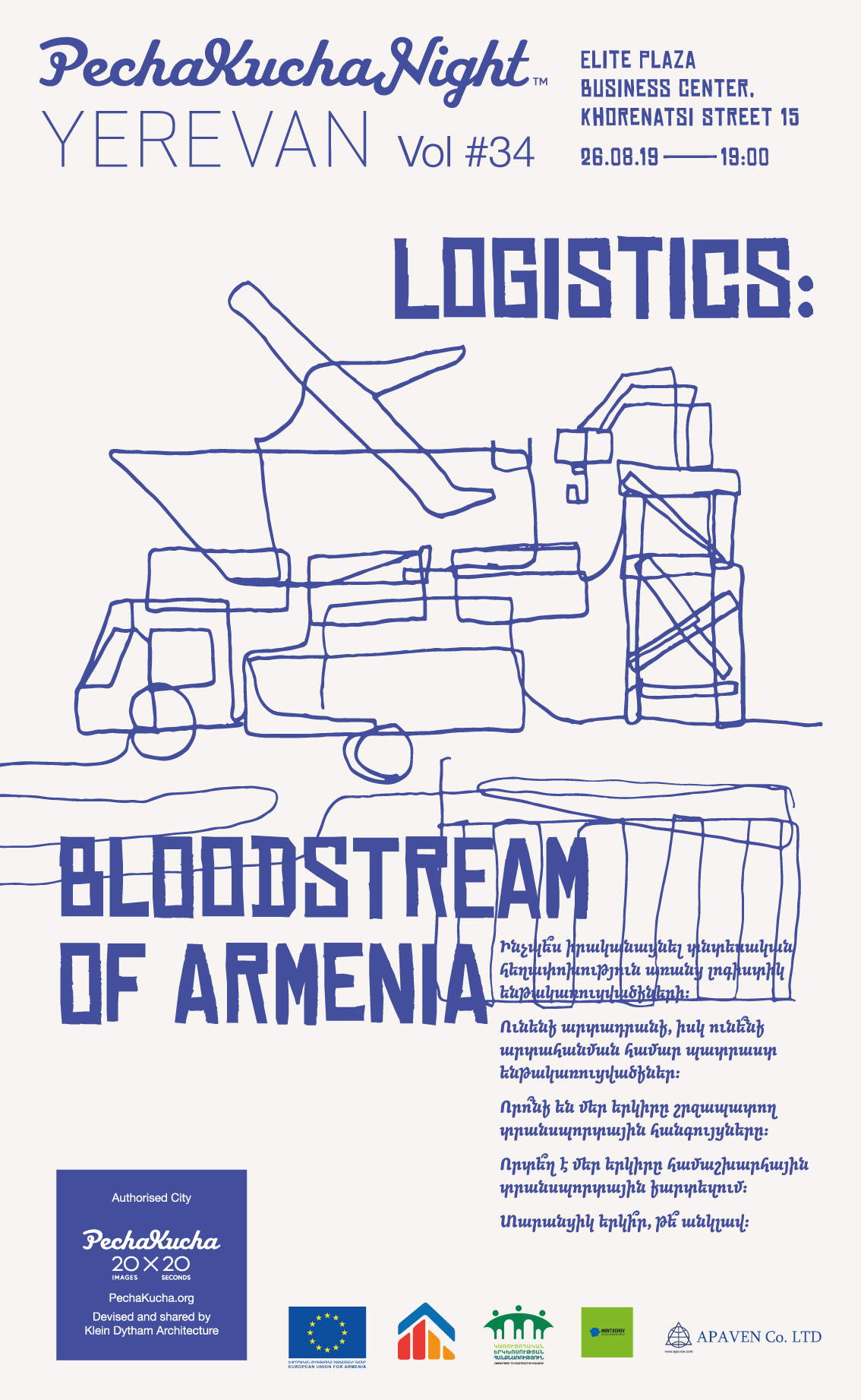
How possible is an economic revolution without sufficient logistic infrastructure? Do we have a ready-to-go export infrastructure for our production? What are the major transportation hubs around our country? Where do we stand on the global transportation map? A transit country or an enclave?
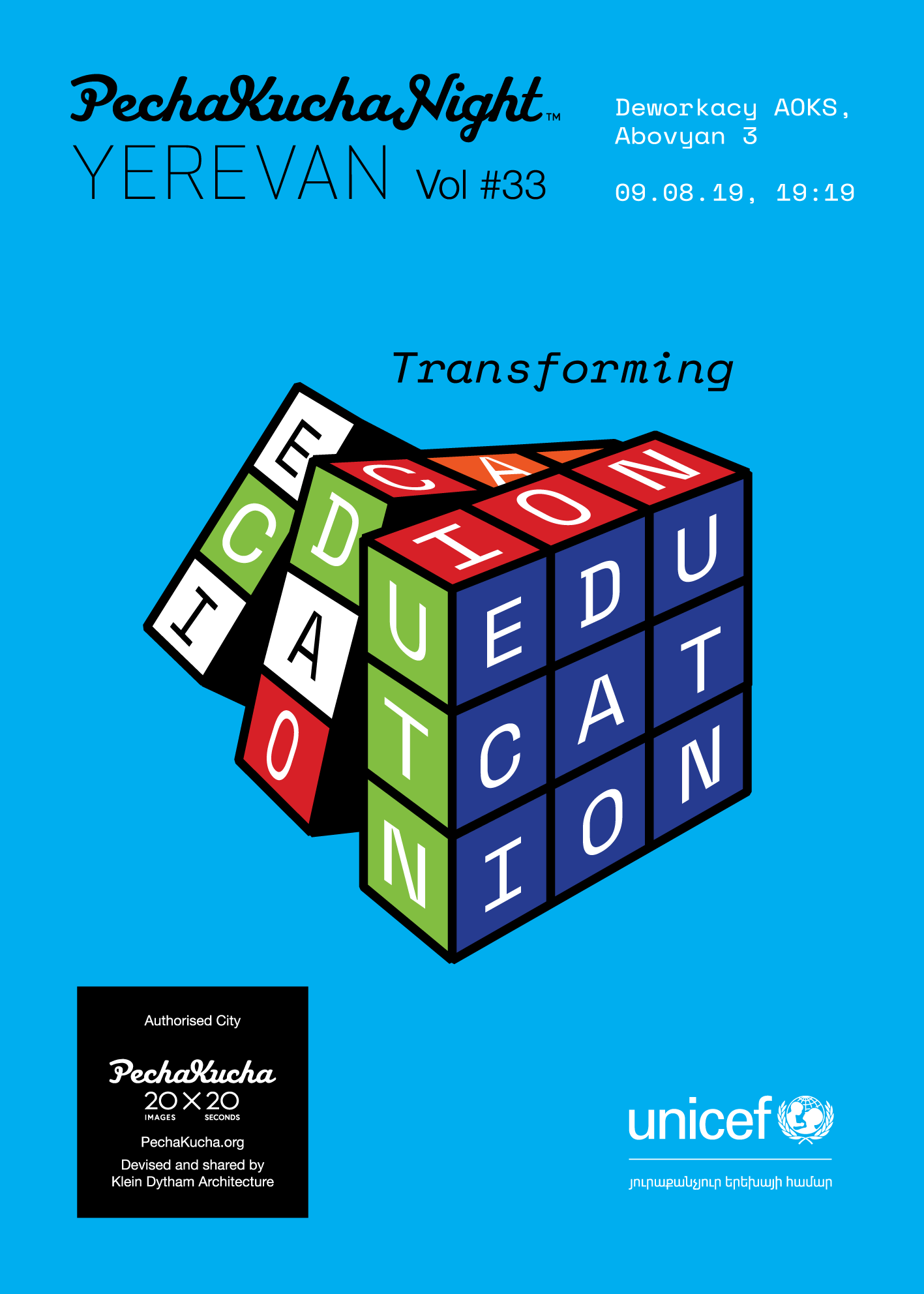
How do we make our educational choices and why the role of the teacher is crucial in everyone’s life? Do we still need to pass through all levels of formal education to be competitive in the labor market? We will hear about possible and impossible educational patterns in Armenia, and new scenarios of development.
Do people design spaces, or does space design the people? How do we transform space into a meaningful place? And how different is this human-centric approach from what we popularly perceive as architecture?

11 stories on typography, experience design for physical spaces, work-life balance, client management, the relationship between design and fashion, analog education, and perspectives on design as a natural human activity.
What is Creative Economy and how to develop it in Armenia? From Advertising and Marketing to Architecture, Arts and Crafts, Design, IT, Publishing, and audio-visual, creative industries are highly transformative in terms of income generation and creating new job opportunities.
Talks on how new technologies shape modern education, the relationships among disability, society, and technology, opportunities for women in data science, the power of storytelling for the development sector, innovation in the festival experience, and, finally, the importance of real-world connection in the digital age.

Every month Awesome Foundation Yerevan allocates $1,000 to interesting, cool, and sometimes crazy ideas. If you have unique, unexpected, innovative but realistic project ideas and are looking for ways to implement them, attending our event is a must.

We come together to hear exciting stories on modern parenthood, work-life balance, personal experiences of extraordinary moms, perspectives on plastic-free upbringing and arts education, as well as important parenting tips from fathers.

You’re invited to discover how inspirational people are turning ‘green initiatives’ into some real community actions. We will hear from self-starters who are already making an active difference in improving our environment.

As Global Innovation Index 2017 has ranked Armenia as an innovation achiever, we will discuss how to nurture innovative teams and company culture, innovation in the development sector and education, keys to disruptive thinking, and more.

Come and discover what our experts have to say about developing a green city, running efficient energy technologies, and creating a great environment for everybody.

Space vs place, public vs private, challenges of housing, what big data means for architects, the transformation of soviet modernism in Sevan, the disobedient dream of Fabrika Tbilisi, urban psychology of post-war Beirut, and design of independent cultural centers in Europe.

What exactly is happiness? What makes you happy every day? Whether it is practicing kindness, finding purpose through work, or maybe just picking beans in the garden, it is a feeling we all desire.
When you think of the public governance process, what do you think of? The perceptions can be a bit of a ‘black box’ that we invite you to open! Let's explore how best practices from business and tech industries can be applied in public governance, what changes can we expect, and how policymakers and citizens should respond.